

Breaking the Cycle: My Journey from Bullying to Emotional Regulation
Attention Magazine February 2026
GROWING UP WITH UNDIAGNOSED ADHD, I often felt like I was living in a world that wasn’t made for me. It wasn’t just the challenges of focus or impulsivity; it was the overwhelming emotional weight of being excluded, misunderstood, and repeatedly bullied. From age eight into adulthood, these experiences followed me like a shadow. At the time, I didn’t understand why I always seemed to be the one left out or targeted. I just knew something felt deeply wrong.
As a child, I was eager to connect. I loved people, wanted to make friends, and had so much to share. But that same enthusiasm sometimes translated into impulsive behavior, talking too much, saying things at the wrong time, or missing social cues. In private school, this wasn’t such a problem. I felt more accepted, perhaps because I had grown up with the same peers or because the smaller environment offered more protection. But everything changed when I transitioned to public school in fourth grade.
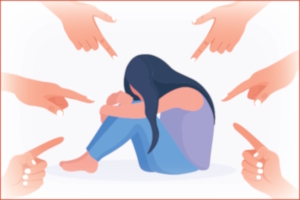 The new school was larger, louder, and more socially complex. My classmates already had strong bonds, and I didn’t know how to break into their established circles. I had a false sense of security; some of my summer camp friends went to the same school, and I believed they would welcome me. Instead, they turned away.
I still remember one moment that stung deeply. I went up to a group of them at the lunch table, trying to reconnect, and asked why they didn’t want to be friends with me. One of them sneered and said, “What did you do, watch Steve Urkel?” At the time, being compared to Urkel, an exaggerated, awkward, overly eager character, wasn’t funny. It was humiliating. They used it to suggest I was weird, out of touch, not cool enough to sit with them.
A storm I didn’t know how to navigate
That one line became a symbol of what followed: being seen as “too much” or “too different” to belong. They pretended not to know me in the hallway or acted as if I were invisible. I wanted so badly to be accepted that I ignored other kids who were open to friendship. I had placed all my hope in people who didn’t value me, and in doing so, I alienated those who might have cared.
This left me exposed. I became an easy target, bullied physically, mocked emotionally, and excluded socially. The teasing turned into pushing, nail-digging, and spitting on my valuables. The whispers behind my back became cruel rumors. I didn’t know how to defend myself. I would usually just freeze or fawn, both of which made things worse.
Middle school offered a new environment, but the emotional wounds from elementary school came with me. Kids knew I was an easy target, the one who didn’t have a tight group of friends. I carried the reputation of being different, not being able to defend myself, and some kids exploited that.
I’ll never forget the day on the school bus when a boy I thought was being friendly asked me what I thought of a girl named Rachel. I casually said, “She’s okay,” not realizing it was a trap. Later that day, Rachel confronted me, again at the lunch table, furious. I was completely caught off guard, and my mind blanked. I didn’t know how to explain what had happened. These moments, where I was drawn into conflict and left speechless, repeated themselves over and over.
High school was more of the same. My impulsivity sometimes led me to say things I shouldn’t have, like when I accidentally revealed something personal about someone older than me. That one mistake led to a domino effect of betrayal and rejection. Suddenly, people I trusted turned on me. I couldn’t seem to get it right, no matter how hard I tried.
Junior year seemed like a turning point. I was dating a popular boy, and for the first time, I felt like I belonged. But after we broke up, under messy circumstances, I was once again on the outside. Friends told me I wasn’t welcome at parties anymore and was actually kicked out. Some even told me outright that they no longer wanted me around. I felt like I was back in fourth grade, reliving the same painful cycle of acceptance and abandonment.
Even in college, when I thought things might be different, one false rumor ruined my sense of belonging. Again, I found myself isolated, questioning what I had done wrong. At the time, I believed I was just unlucky, or perhaps too sensitive. But looking back, I see that there was more at play: my undiagnosed ADHD, my emotional sensitivity, and my lack of emotional regulation had all created a storm I didn’t know how to navigate.
Gaining self-awareness and helpful tools
For years, I sought talk therapy. I wanted so badly to feel better, to be better. But most of the therapy I received focused on exploring my pain, not on helping me move through it. It was validating, yes, but brought up things that I buried, which made me more anxious, and ultimately, I was still stuck in the same patterns. I didn’t have the tools to change.
That all shifted when I turned thirty-four and enrolled in a group coaching program. For the first time, I was in a space where people truly understood me. Many of them also had ADHD or similar emotional struggles. There was no judgment, just understanding. It was the first time I didn’t feel broken; I felt human.
That was when I learned the importance of self-awareness. It became the foundation for everything. I started noticing my emotional reactions instead of being swept away by them. When I felt triggered, I learned to pause and ask myself questions: Is this about the current situation, or is it an old wound resurfacing? Is this my inner child reacting? What do I actually need right now?
One of the most helpful tools I learned was the concept of the Drama Triangle. I realized I had been stuck in the role of the victim for much of my life, waiting to be rescued or reacting defensively. I began to shift into a new role: the empowered adult. This didn’t mean I stopped feeling hurt or triggered. It meant I had choices in how I responded.

Changing my mindset wasn’t easy. Rewriting deeply rooted beliefs is hard work. But over time, with consistent effort and compassionate self-reflection, I began to notice real changes. I stopped internalizing every perceived slight. I realized that not every exclusion was about me. Sometimes people were just distracted or had their own issues. I stopped reading so much into silence or non-responses. I stopped seeking validation from those who had proven they couldn’t give it.
I became more intentional in my relationships. I stopped chasing people who didn’t value me and started investing in those who did. I built a small, trusted circle of friends who celebrated me, flaws and all.
Healing is within reach
One of the biggest tests of my emotional growth came when I became a stepmom to two boys with ADHD. Parenting is hard. Stepparenting can be even harder. And when you have a history of rejection, it can be especially triggering. There were times when the boys preferred their dad over me or said things that felt like rejection. In the past, that would have crushed me. But now, I could pause, name the emotion, and choose how to respond. I could see the situation from their perspective and meet them with love instead of insecurity. That’s the power of emotional regulation.

Today, I work as an ADHD coach, helping others who feel stuck in the same patterns I once did. My lived experience allows me to meet my clients with empathy and understanding. I know what it feels like to be misunderstood, to feel like nothing you do is enough. I also know that healing is possible.
To the parents reading this, especially those with ADHD children, please hear me when I say: Emotional regulation is not something your child either has or doesn’t have. It’s something that can be taught, practiced, and nurtured. Just like we teach kids to read or ride a bike, we can teach them how to understand and manage their emotions.
If your child struggles with impulsivity, rejection sensitivity, or big emotional outbursts, it doesn’t mean they’re “bad” or “difficult.” It means they need support. They need safe spaces where they can learn about their emotions. They need adults who model self-awareness and emotional maturity. And they need tools, real, practical tools to help them navigate a world that often feels overwhelming.
Encourage them to talk about their feelings. Help them identify their triggers. Celebrate their efforts, not just their successes. And consider involving professionals, therapists, coaches, or mentors, who specialize in emotional regulation, especially for kids with ADHD.
As a parent, your ability to remain calm, model regulation, and offer consistent empathy is one of the most powerful gifts you can give. You don’t have to be perfect. You just have to be present, open, and willing to grow alongside your child.
The path from trauma to healing is never a straight line. Emotional regulation doesn’t mean we stop having emotions; it means we learn how to understand them, sit with them, and respond in ways that align with who we want to be. I still have days where I feel triggered. But now, I have the tools to handle it. And more importantly, I have the self-compassion to forgive myself when I stumble.
If any part of my story resonates with you or your child, know this: You are not alone. Change is possible. Healing is within reach. The first step is always self-awareness. From there, everything begins to shift.
Together, we can break the cycle, not just for ourselves, but for the next generation.
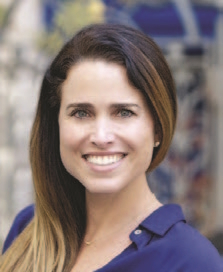 Brooke Schnittman, MA, PCC, BCC, is a leading executive function and ADHD coach, trainer, and best-selling author with more than twenty years in education and coaching. Diagnosed as an adult and part of a family of five with ADHD, including her husband and their three children, she deeply understands the overwhelm, frustration, and daily challenges that come with neurodivergence, from both lived experience and professional expertise. After fifteen years in special education as a teacher and administrator, she founded Coaching With Brooke in 2018 and created the 3C Activation® program. Her team supports students, professionals, and parents, and trains coaches to cut overwhelm, build systems that actually work, follow through consistently, and Activate Their ADHD Potential, the focus of her work and the title of her best-selling book. Featured in Forbes, Entrepreneur, and ADDitude, she was nominated one of Success Magazine’s Top 50 Most Influential Women for 2025. She continues to elevate the ADHD community by equipping individuals with the structure, strategies, and accountability they need to thrive in work, family, and life.