
Watch Now: Using Cultural Humility to Engage Black Families

Joy Banks, PhD, draws on real-world examples to explore how families understand ADHD, make treatment decisions, and engage with schools and healthcare providers. She examines how cultural perspectives shape these experiences and how educators and professionals can move beyond assumptions to build meaningful, collaborative partnerships with families of Black children diagnosed with ADHD.
Racially diverse families vary in how they understand ADHD, which can influence both the treatment options and educational supports they choose for their children. Educators may interpret ADHD-related behaviors through their own cultural lens, and they may be unfamiliar with how racial and cultural differences influence a family’s perspective on school-based services or accommodations. Developing cultural awareness can help educators work more effectively with their students’ families and support equitable outcomes for diverse learners. Dr. Banks offers actionable strategies and real-world examples for creating effective collaboration with culturally and linguistically diverse families of students with ADHD.
Learning Outcomes
Classroom educators and school administrators will deepen their understanding of cultural perspectives related to ADHD, family treatment preferences, and inclusive family engagement practices.
By the end of the webinar, participants will be able to:
- Distinguish between family involvement and family engagement.
- Identify and define “cultural humility” and ways it can be used to increase engagement with culturally and linguistically diverse families.
- Apply strategically designed multitiered systems of support and positive behavioral supports that are grounded in a sociocultural framework.
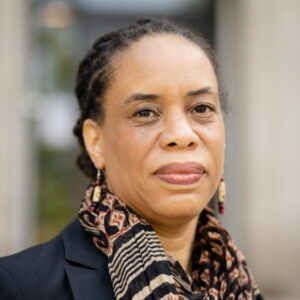 Joy Banks, PhD, is an associate professor of special education and disability research at George Mason University. Her research focuses on the intersection of race and disability and ways to make special education services more equitable for Black students with disabilities. Her primary interest is the lived experiences of Black college students with disabilities.