
Lily Hechtman, MD, FRCP
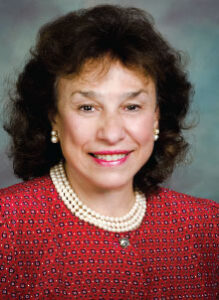
CHADD 2004 Hall of Fame Awardee
Advanced the Recognition of ADHD as a Lifelong, Chronic Condition
Lily Hechtman, MD, is a professor of psychiatry and pediatrics at McGill University, Director of Research in the Division of Child Psychiatry, and a child and adult psychiatrist at the Montreal Children’s Hospital. An internationally recognized leader in ADHD research, Dr. Hechtman helped establish one of the most important shifts in the field: the understanding that ADHD is a lifelong, chronic condition that requires sustained treatment and follow-up. Her groundbreaking fifteen-year prospective studies followed children with ADHD into adolescence and adulthood, demonstrating that symptoms and functional challenges often persist beyond childhood. This long-term lens reshaped both clinical expectations and standards of care.
In the late 1980s and early 1990s, Dr. Hechtman, together with Howard Abikoff, PhD, conducted the first controlled multisite multimodal treatment study of children with ADHD. That work laid the foundation for the landmark Multimodal Treatment Study of Children with ADHD (MTA), the largest long-term study of its kind. As head of one of the seven sites, Dr. Hechtman helped lead a fourteen-month treatment trial followed by sixteen years of follow-up, producing critical evidence that combining medication with psychosocial interventions yields the strongest functional outcomes. Just as importantly, the research underscored that gains do not endure without ongoing care.
“Effective medication can relieve many symptoms of ADHD,” she explains, “but medication alone does not resolve the social, academic, and emotional challenges. ADHD requires continued support, follow-up, and a comprehensive approach across the lifespan.”
Dr. Hechtman’s work has profoundly influenced diagnosis, treatment, and public understanding of ADHD in both children and adults. In 2004, she received the CHADD Hall of Fame Award, which is reserved for individuals whose work has significantly advanced the science of ADHD and the organization’s educational and advocacy mission. Through decades of research, teaching, and clinical leadership, Dr. Hechtman has helped ensure that ADHD is recognized not as a childhood phase, but as a lifelong condition deserving sustained, evidence-based care.