
U. Diane Buckingham, MD
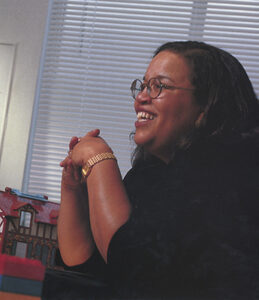
A champion of culturally informed ADHD care for children and families in underserved communities
U. Diane Buckingham, MD, is a child and adolescent psychiatrist recognized for her work in culturally sensitive approaches to diagnosing and treating mental health conditions in young people. A former member of CHADD’s professional advisory board, her clinical and research interests include ADHD, Tourette syndrome, and obsessive-compulsive disorder. Through her work in private practice and as a clinical assistant professor at the University of Missouri–Kansas City School of Medicine, Dr. Buckingham has focused on improving care for children and adolescents while advancing greater understanding of behavioral health conditions.
Dr. Buckingham began her career as a registered nurse before pursuing her medical degree at the University of Kansas School of Medicine in order to have a more direct role in guiding patient care. Throughout her career, she has been a national advocate for culturally informed mental health services, speaking to parents, educators, and health professionals about the importance of culturally appropriate assessment tools and treatment options. Her work has been particularly influential in addressing stigma and encouraging families in underserved communities to seek evaluation and care for children experiencing symptoms of ADHD and other behavioral health conditions.
Her contributions to psychiatry and child mental health have been recognized with numerous honors, including the Presidential Scholar Award from the American Academy of Child and Adolescent Psychiatry, the Chester Pierce Residents’ Award from the National Medical Association, and recognition from Black Psychiatrists of America for her dedication to African American families and children. Dr. Buckingham also served as chair of the psychiatry section of the National Medical Association from 2007 to 2009 and has been active in community leadership through the NAACP. Through her research, clinical care, and public education, she continues to promote equitable access to behavioral health care for children and families.