
Rosemary Tannock, PhD
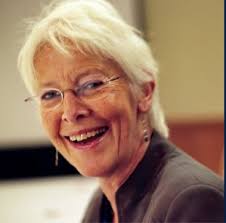
Her research revealed how ADHD affects learning and cognition, influencing both research and classroom practice worldwide.
Rosemary Tannock, PhD, is an internationally recognized researcher whose work has helped deepen scientific understanding of ADHD and its relationship to learning and cognition. She holds a Tier 1 Canada Research Chair in Special Education and Adaptive Technology at the Ontario Institute for Studies in Education at the University of Toronto. In 2009 Dr. Tannock was inducted into CHADD’s Hall of Fame.
Dr. Tannock is a senior scientist at the Hospital for Sick Children in Toronto and serves as professor of psychiatry and professor of special education and adaptive instruction at the University of Toronto. Her clinical research program investigates the causes and treatment of ADHD, with particular focus on its cognitive features and its overlap with learning disabilities.
Dr. Tannock’s research has significantly shaped understanding of how ADHD affects attention, learning, and academic functioning. She has advanced research on the cognitive processes underlying ADHD and how those processes influence classroom learning and educational outcomes. Her work bridges medicine, psychology, and education, helping clinicians and educators better understand how ADHD influences reading, writing, attention, and executive functioning. In addition to her scientific publications, she and her colleagues developed TeachADHD, an integrated set of multimedia resources designed to help teachers better understand ADHD and support students in the classroom.
Dr. Tannock’s career reflects an unusual and inspiring path into scientific research. Originally trained as a physiotherapist in England, she later returned to university after moving to Canada, earning a doctoral degree in special education and beginning a research career in developmental psychopathology. A postdoctoral fellowship studying the effects of medication on information processing in children with ADHD launched her work in the field. Since then, she has become a leading voice in international ADHD research, presenting workshops and lectures for health and education professionals around the world. Her work continues to influence how ADHD is understood in both clinical practice and educational settings.