
A Sensory Survival Guide for Summer
Kristine Moran, COTA
Download PDF
Summer is often imagined as carefree with long sunny days, water play, and fun. However, for many children, especially those with sensory differences, summer can feel anything but relaxing.
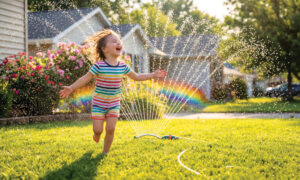 From rising temperatures to constant transitions between feeling dry and wet, sticky sunscreen, and changes in routines, summer introduces a unique set of sensory demands that can have an impact on regulation and behavior.
When we understand these challenges through a sensory-informed lens, we can shift from reacting to surface-level behaviors to proactively supporting a dysregulated nervous system.
Heat and temperature regulation: the invisible trigger
Temperature plays a much bigger role in regulation than we often realize. When a child becomes overheated, you might see increased frustration, difficulty following directions, quicker fatigue, and decreased motivation. What may appear as “cranky” is really the nervous system working harder to stay regulated.
 Here are a few strategies and tools to help:
- Cooling towels
- Cold drinks in insulated bottles/thermoses
- Small handheld or stroller fans
- Plan outside activities around cooler parts of the day, like morning or late evening
- Locate shady/air-conditioned spaces for breaks
Transitions: more than just moving locations
Summer is full of tiny transitions, like getting out of the water and drying off or walking from inside an air-conditioned play-space into the hot sun. For some children, these transitions feel uncomfortable, unpredictable, or overwhelming. You might notice refusal to enter or exit the water, hesitancy despite knowing they typically enjoy water once they’re in it, or frustration once they’ve arrived in a new place.
Here are a few strategies and tools to help:
- Give your child a heads-up about the sequence of events. For example, a visual schedule, pictures, timers, or modeling the transition yourself can all be helpful to address the feeling of unpredictability.
- Keep the sequence of events the same (as much as possible!).
- Give your child a heads-up about the sensory experience coming their way and pair with support. You might say something like, “When we walk outside, it will feel really hot and bright. You can put your sunglasses on now or wait until we’re outside.”
- Let them control the amount of “wet” or “dry” they experience at a time. For example, they can sit with you on the pool stairs while their feet adjust to the water temperature, then legs, and so forth.
- Transition in steps. For example, you can slow down the sequence by providing a loose cover-up or robe, or allow them to air-dry in the sun while they enjoy a cold drink or crunchy snack. Another example: you can plan to walk to the park and stop for some swinging on the way home.
Sunscreen: when protection feels unsafe
Sunscreen can be an unfamiliar and uncomfortable sensory trigger due to the various types of smells, textures, how it feels when it’s rubbed into the skin, and so forth.
 Here are some strategies and tools to help:
- Offer choices between lotion versus spray.
- Allow smaller sections to be covered versus all at once.
- Explore applying with hands, brushes, cloth, or self-application.
- Consider UPF clothing, such as swim shirts.
- Gradually expose them to sunscreen on their most tolerated areas and build over time. Don’t wait until summer! Dermatologists actually recommend sunscreen use year-round!
Clothing and swimsuits: comfort matters
Summer introduces new clothing, which means new textures, tighter or looser fits, wet fabric sticking to the body due to water play or sweat, and more frequent outfit changes. It’s important to prioritize comfort and safety over appearance—this kind of flexibility can be the difference your child needs in order to engage in their activities. It’s okay if a t-shirt and shorts become their preferred swimsuit!
Here are some strategies and tools to help:
- Offer appropriate choices and bring back-up options.
- Purchase extras of preferred clothing.
- Be considerate of colors and fabrics that retain heat.
Water play: a whole new world
Plenty of children love playing in water, whether it’s at the beach, a pool, or running through sprinklers. However, plenty of children don’t and for various reasons. The water may be too cold, too unpredictable, splashing and noise from other people may be dysregulating, and the way our body feels and moves in water is completely different from when we’re walking around. If a child has difficulty with motor planning or balance, being in a body of water can be scary for them.
Here are some strategies and tools to help:
- Move at their pace; let them just dip their toes in today. Tomorrow they might be ready to jump in!
- Gradually introduce water play through shallow kiddie pools, hoses, splash pads, water tables, and even playing in the rain.
- Keep it low-pressure; find ways to play with the water, such as washing toys, “pet” the water, or pour it on yourself. Don’t force them before they’re ready.
The sounds of summer
Summer is loud. Places like pools, parks, camps, beaches, and family gatherings are busy and create a significant rise in sensory load and social demands. The constant noise, unpredictable movements, overlapping conversations, and interactions can quickly overwhelm the nervous system. What may look like withdrawal, reactivity, or impulsive behavior is often a child just trying to manage too much input at once.
 Here are some strategies and tools to help:
- Noise-cancelling headphones or earbuds
- Quiet breaks in the car or in a more secluded area
- Identify exit spots ahead of time
- Lower cognitive and social demands and/or expectations (maybe it’s not the time to practice sharing)
Summer break: less structure, more demand
One of the biggest shifts in summer is the loss of structure. During the school year, children benefit from predictable routines like set wake times, transitions, movement opportunities, and clear expectations throughout the day.
In the summer, those structures often disappear. Days become more open-ended, transitions are less predictable, and expectations can change from one day to the next. While this flexibility can feel freeing for adults, it can actually increase the demands on a child’s nervous system.
Without consistent anchors, (predictable parts of the day, even when other parts change, like mealtimes and bedtime) children are doing more behind the scenes – figuring out what’s happening next, when things will end, and how to adjust to it all.
Here are some strategies and tools to help:
- Keep a few consistent “anchors.”
- Preview the day in simple language and/or parts (for example, “We’re going to the park first, then come home and eat lunch” or, “We’re playing inside today, then after lunch, we’ll go to grandma’s for an outside BBQ”).
- Balance activity with down time. Overscheduling can feel just as overwhelming as too much unstructured free time.
- Repeat known regulation patterns, such as always having a snack and listening to music after being outside, can help the day feel more predictable, despite other changes.
But what does this look like—realistically?
Here’s a hypothetical (but practical!) example of how to piece all these tools and strategies together for some summer fun.
Imagine Fernanda is planning a summer afternoon with her daughter at the park tomorrow. Instead of heading out spontaneously, she takes a few minutes to think through the sensory demands ahead of time.
The night before, she checks her weather app and decides right after breakfast would be a good time to enjoy the sunshine, without sitting in peak sun. The next morning, after helping her child dress in light but comfortable clothing, she packs a bag containing a couple water bottles, a cooling towel, a handheld electric fan, fruit and crackers, and noise-cancelling headphones. She applies the mist-sunscreen chosen by her child, according to their usual routine. Lastly, she lets her child choose which hat to wear. Her child declines to wear a hat, so Fernanda brings it in her bag.
On the way, Fernanda previews for her child what to expect: “We’re going to the park. It’s going to be hot, and there might be a lot of kids and noise. We’ll play for a bit, take a snack break in the shade, and then head home.”
When they arrive at the park, she doesn’t jump straight into free play. Instead, they start with a short regulating activity like swinging or sliding in order to help her child’s body adjust. She also scans for and points out a shaded bench as their “snack break spot.”
During play, she watches for early signs of overwhelm and builds in a quick reset, such as offering water, headphones, her hat, or a towel squeeze, before dysregulation escalates.
After a short while, Fernanda notices her daughter’s face is a little pink and she’s sweating. Fernanda brings out the fruit, pops one in her mouth, and shows her child a one-minute visual timer. “In one minute, you’ll hear the timer sound and we’ll have a snack break.” When the timer goes off, Fernanda asks, “Do you want strawberries or grapes?” and leads her daughter to the bench. After snacking and enjoying the breeze from their handheld fan, Fernanda walks her daughter back to their spot and begins to pack up, leaving her child’s preferred toys for last. “It’s time to go home, do you want to walk to the car or run?”
A few simple strategies create a softer transition, buffered by predictability and connection. By the time they leave, her child is tired but still regulated. The difference isn’t in the activity itself, but in the proactive support throughout the experience.
Summer can be full of joy, but it is also full of sensory demands that can affect a child’s ability to feel regulated, comfortable, and engaged. Through small, thoughtful adjustments we can proactively set up our children for success and safely expand their sensory world. When we support the nervous system first, everything else becomes more accessible.

 Kristine Moran is a certified occupational therapy assistant specializing in executive functioning, emotional regulation, and sensory processing for pediatric clients and their families. Her approach is rooted in a neurodevelopmentally informed and relationship-centered approach that prioritizes co-regulation as the foundation for skill development. She works in both school and clinical settings, where she translates complex neurodevelopmental concepts into “real-life” strategies for parents and educators. She is dedicated to helping families look beneath surface-level behavior to build independence, felt-safety, and confidence in neurodivergent children.
Other Articles in this Edition
Social Camouflaging Among Adults with ADHD
A Sensory Survival Guide for Summer
Rethinking Emotion Regulation: Why Traditional Coping Skills Fall Short for ADHD Kids
When ADHD Evaluations Reveal Something More
Thriving in Leadership Roles for Your Child’s Activities
Two Sisters on ADHD, Shame, and Self-Discovery
Stages of Change: Support for Effective Action