Building an Inclusive Future: CHADD’s Commitment to Diversity, Equity, Inclusion, and Belonging
Shirelle F. Pearson, MBA
Attention Magazine October 2024
Download PDF
As an organization dedicated to improving the lives of individuals with ADHD and their families, CHADD believes diversity, equity, inclusion, and belonging (DEIB) are essential to achieving our mission. At their core, DEIB initiatives are about expanding community and making it accessible to more people. At a time when feelings of isolation are at an all-time high and disparities in ADHD diagnosis and treatment are common, inclusion and belonging are more important than ever.

DEIB is more than just a set of principles; it is the foundation of a thriving community. CHADD’s purposeful effort to consider and promote diversity, equity, inclusion, and belonging results in spaces where all people feel valued, respected, and empowered. By ensuring fair treatment, providing opportunities for growth, and fostering a sense of belonging that is accessible to everyone within our community, we all prosper.
Understanding DEI&B
Diversity encompasses the unique characteristics that define each of us, including race, gender, ability, background, and more. It is about recognizing and valuing the wide range of perspectives and experiences that each individual brings to the table.
Equity ensures fair treatment and opportunities for all, acknowledging that everyone’s needs differ. It focuses on removing barriers and providing tailored support to ensure that everyone has what they need to succeed.
Inclusion is about actively creating a culture where everyone feels valued and respected. It means involving diverse individuals in all aspects of organizational and community life, ensuring their voices are heard and their contributions are considered.
Belonging means fostering an environment where each person feels a part of something larger than themselves. It ensures that people within the organization feel like an integral part of the community, creating a sense of connection and shared purpose.
By embracing these values, we can create a more supportive and empowering environment for our own community of staff, volunteers, and members, particularly those affected by ADHD.
CHADD’s DEIB commitment
Since our founding in 1987, CHADD has made significant strides in our mission of educating, supporting, and advocating for the ADHD community. However, we recognize that there is still much work to be done. Our commitment to DEIB is a critical part of this journey.
In 2024, we established the DEIB committee to acknowledge and celebrate the diverse experiences, backgrounds, and perspectives within our community. We understand that diversity extends beyond neurodiversity and includes various dimensions that contribute to the richness of our organization.
Recognizing these differences is the first step towards addressing the disparities that exist in ADHD diagnosis and treatment. It’s crucial that we explore these disparities to understand their impact and work towards creating a more equitable and inclusive environment for everyone.
Addressing disparities in ADHD
Disparities in ADHD diagnosis and treatment are influenced by multiple factors, including lack of knowledge, fear of stigma, and cultural differences. These disparities can lead to underdiagnosis and untreated ADHD, resulting in significant psychological, financial, academic, and social burdens. Addressing these disparities is a core component of our DEIB initiatives, as we strive to ensure that every individual receives fair and equitable access to care and support.
Race. Racial disparities in ADHD diagnosis are significant, with Black, Hispanic, Asian, and Native American children less likely to be diagnosed and treated compared to their white peers. This is often due to implicit biases among healthcare providers, cultural misunderstandings, and reduced access to healthcare services. Additionally, stigma and communication barriers can also play a role. Promoting culturally competent care and raising awareness are essential to addressing these disparities.
Socioeconomic status. Socioeconomic factors play a significant role in ADHD diagnosis and treatment. Children in wealthier schools are more likely to be identified for special education services compared to those in under-resourced schools. This discrepancy highlights the need for equitable access to resources, ensuring that all children, regardless of their economic background, receive appropriate support.
Gender. ADHD is often underdiagnosed in girls, who may present symptoms differently than boys. While boys might display more overt hyperactive behaviors, girls often exhibit inattentiveness, which can be overlooked or misinterpreted. This gender bias can lead to delayed diagnosis and treatment, affecting girls’ academic and social development.
Age. ADHD is often thought of as a childhood disorder, leading to higher rates of initial diagnosis in children compared to adults. Many people mistakenly believe ADHD only affects children, but it is a chronic condition that persists throughout a person’s lifespan. For many adults, a diagnosis was missed during childhood, yet without diagnosis and treatment significant ADHD challenges persist into adulthood. Accurate assessment tools and increased awareness are essential to ensure that individuals of all ages receive the appropriate diagnosis and support for ADHD.
Geographic location. Access to healthcare services varies greatly between urban and rural areas. In rural areas, there may be fewer healthcare providers, specialists, and educational resources available for diagnosing and treating ADHD. This geographic disparity can result in delays in diagnosis and limited treatment options for those living in remote areas.
Cultural perceptions. Different cultural values and beliefs can influence how ADHD symptoms are perceived and addressed. In some cultures, behaviors associated with ADHD might be normalized or attributed to other causes, such as spiritual beliefs or parenting styles. This cultural lens can lead to underdiagnosis or misdiagnosis, emphasizing the need for culturally sensitive care.
Disability intersectionality. Children with co-occurring conditions, such as autism, giftedness, learning disabilities, or mental health disorders, may face compounded challenges. For instance, a child with both ADHD and a learning disability might have their ADHD symptoms overlooked because the focus is on the more visible learning issues. Integrated care approaches are necessary to address all aspects of an individual’s needs.
LGBTQ+ status. Individuals who identify as LGBTQ+ may experience additional stressors that can complicate the diagnosis and treatment of ADHD. For example, the mental health impact of discrimination and stigma can exacerbate ADHD symptoms, making it crucial for healthcare providers to consider these factors in their evaluations and support plans.
 Actions and initiatives
At CHADD, we are taking concrete steps to promote DEIB. Our initiatives include:
Disparity-sensitive care. CHADD is committed to providing training and resources to ensure equitable diagnosis and treatment for all. CHADD is actively supporting the American Professional Society of ADHD and Related Disorders (APSARD) in developing and publishing comprehensive guidelines for the diagnosis and treatment of ADHD in adults. Currently, no such guidelines exist in the United States, making this an essential initiative. The APSARD guidelines will offer crucial direction for healthcare providers, patients, and the public. Furthermore, these guidelines will serve as the foundation for toolkits that CHADD will develop to assist clinicians and healthcare providers in offering optimal care to adults with ADHD.
Diverse representation. CHADD is ensuring that diverse voices are represented in CHADD’s leadership, staff, committees, and events.
Partnership organizations. CHADD is collaborating with organizations that serve diverse communities to broaden our reach and impact.
Resource development. CHADD is creating and distributing resources that address the specific needs of diverse populations within the ADHD community. Our staff is our organization’s most valued asset. We conduct ongoing wage analysis to ensure equal pay for equal work and provide meaningful training to promote from within.
Community engagement. We are dedicated to understanding and addressing the needs of our diverse community through surveys and assessments. In late 2024, we will introduce a DEIB pulse survey to gather valuable insights from our staff, volunteers, members, and partners. These findings will guide our efforts and shape our initiatives moving forward.
Educational workshops and webinars. We will be hosting quarterly sessions for our community on DEIB topics as they relate to neurodiversity, including cultural competency, implicit bias, and inclusive practices.
Inclusive language guidelines. We are developing and disseminating guidelines for using inclusive language in all CHADD communications.
Feedback mechanisms. We are implementing regular feedback loops, such as suggestion boxes or focus groups, to continuously improve DEIB efforts.
Member engagement
We invite you to join us in our DEIB efforts. Your participation is vital to creating a more inclusive and supportive community. Here are some ways you can get involved:
- Share your story. Help us understand the diverse experiences within our community.
- Contribute your time and skills to support our DEIB initiatives. Find out more at www.chadd.org/get-involved/volunteer/.
- Provide feedback. Participate in surveys and assessments we send out periodically to help us optimize our efforts.
Building an inclusive future
At CHADD, we believe that a more inclusive world begins within our own organization. By embracing diversity, equity, inclusion, and belonging, we can create a community where everyone feels valued and supported. Together, let’s work toward a brighter future for all individuals affected by ADHD.
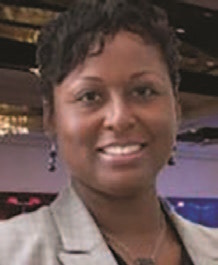 Shirelle F. Pearson is an account manager with Marsh & McLennan Agency in their New York City employee health and benefits office. A member of MMA’s diversity, equity, and inclusion council, she participated in its Aspire mentorship program. With over thirty years of experience in insurance carrier, human resources, and group benefits consulting, Pearson is also an adjunct professor at the New York Institute of Technology. In addition, she volunteers as director of programs for the New York Metro Area chapter of the International Society of Certified Employee Benefits Specialists. When her son was newly diagnosed with ADHD, Pearson sought resources to support him and found CHADD valuable for herself and her family. In 2014, she accepted the role of treasurer for the Nassau County CHADD chapter, and in 2018 she accepted the additional role of coordinator. Currently, Pearson is a member of CHADD’s board of directors, chairs CHADD’s DEI&B committee, and is pursuing an ADHD parent coaching certification. She is a lifelong learner and critical thinker who believes that collaboration is the best way to build a strong village that elevates everyone.
ADDITIONAL READING
Our Epidemic of Loneliness and Isolation: The US Surgeon General’s Advisory on the Healing Effects of Social Connection and Community, 2023.
https://www.hhs.gov/sites/default/files/surgeon-general-social-connection-advisory.pdf
Other Articles in this Edition
The Regional Intervention Program
Digital Media Use and ADHD Symptoms
ADHD Awareness 2024: Awareness Is Key!
What’s Good About Technology for Neurodiverse Kids
Backpack Blues and Bugs: Scaffolding for Executive Function Delays
Unlocking Your Full Potential: Why and How College Students with ADHD Can Embrace Accommodations
From Chaos to Clarity: Using Mind Maps to Navigate Adult ADHD
Building an Inclusive Future: CHADD’s Commitment to Diversity, Equity, Inclusion, and Belonging